Catgut embedding
Catgut embedding is a technique developed by Traditional Chinese Medicine doctors in the 1960s. It involves inserting a self-absorbable suture into specific acupuncture points using a fine needle. It was introduced in Vietnam in the 1970s. Later that decade, the use of catgut embedding was adopted by many hospitals across Vietnam. In the 1980s, under the supervision of Professor Nguyễn Tài Thu, its use was expanded by the Vietnam Acupuncture Institute for different treatments , such as asthma, numbness, lameness, allergies, epilepsy, hearing difficulties, and, most notably, paralysis in children. In the 1990s, catgut embedding was popularised in Hungary by Dr Lê Thuý Oanh.
Having worked at the National Institute of Traditional Vietnamese Medicine, Dr Hương has developed her catgut embedding techniques since 1999. She has had great success in treating chronic pain, musculoskeletal issues, infertility, obesity, digestive problems, and many others.
Dr Hương is passionate about natural healing, so during a catgut treatment, Dr Hương will also guide you on how to improve your health at home, including exercises, acupressure, and diet.
Catgut embedding FAQ
If you have never heard of Traditional Vietnamese Medicine, this guide will help you learn more about its philosophy and the catgut embedding therapy.
General
What is catgut embedding?
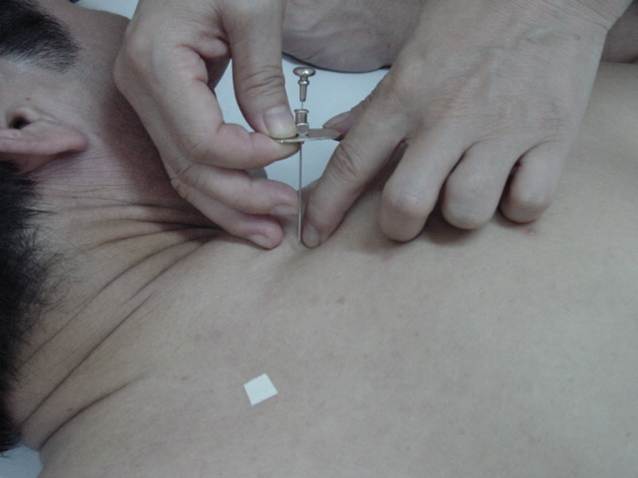
Catgut (or other absorbable sutures) is a surgical-grade suture that self-dissolves after 3 weeks to 6 months. Catgut embedding involves placing small pieces of catgut (or other absorbable sutures) into the body using a needle. It works on the same principle as acupuncture, i.e., needling specific points on the body (acupuncture points) to promote the flow of Qi and Blood, Vital (nutritive) Substances to specific areas of the body, helping the body self-heal. Unlike during an acupuncture treatment, where the needles stay in place for the entire duration, during a catgut embedding session, the needle is removed almost immediately after the catgut is inserted.
What can catgut embedding do for me?
It depends on whether you have specific symptoms or want to use acupuncture as a preventative treatment. The effect of catgut embedding is greater than that of traditional acupuncture, particular success has been noted in the treatment of: allergy, asthma, eczema, blood circulation, irregular menstruation, insomnia, nervous disorders, pain/stress relief, paralysis, and many more. Please contact Dr. Huong to discuss your specific condition.
How much does a treatment cost?
The cost of a treatment depends on the number of conditions, its/their severity and the type of suture used. During the first appointment, Dr Hương will examine your condition and provide more specific advice.
How many catgut embedding treatments will I need?
This varies between patients and conditions. Certainly, a course of treatment is required (usually 5-7 sessions), one-off miracle cures are unusual. Some changes either in your body, or in your condition should be noticed after the first or second treatment.
What is Traditional Vietnamese Medicine (TVM)?
Traditional Vietnamese Medicine (TVM)/Y Học Cổ Truyền, based on Traditional Chinese Medicine (TCM). Like TCM, its philosophy is based on ancient wisdom about how the body works, derived from extensive observations of nature and the human body. According to this school of thought, the human body is like a small universe, where everything is interconnected and interdependent. In addition, TVM doesn’t view human organs in isolation. TVM doctors consider how a condition affects different parts of the body; hence, they may perform tongue and pulse diagnosis based on the 5 elements, Yin/Yang, Qi and Blood, along with other observations, before treating a patient.
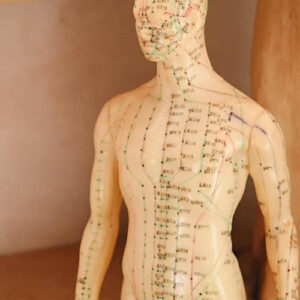
TVM has many branches, including Acupuncture, Moxibustion, Tuina, Herbology, Reflexology, Auriculotherapy, etc. According to the same meridian theory, all parts of the human body are interconnected via these meridians (and collaterals), which serve as pathways for Qi, Blood, and Vital (nutritive) Substances. These meridians communicate with the external world via specific points on the body, also known as acupuncture points.
What are the 12 meridians?
In Traditional Medicine, meridians are channels that form a network in the body, through which qi (vital energy) flows. Meridian-based therapies are based on the concept that a disruption in the flow of qi/chi energy can result in compromising the immune system, making the body susceptible to many unwanted conditions and diseases. In other words, blocked qi causes pain or illness.
In total, there are 12 meridians on each side of the body: 3 yin meridians (heart, lung, and pericardium) and 3 yang meridians (small intestine, large intestine, and sanjiao) of the arm, 3 yin meridians (liver, kidney, spleen) and 3 yang meridians (urinary bladder, gall bladder, and stomach) of the leg.
Catgut embedding vs Acupuncture
Is catgut embedding more effective than acupuncture?
The simple answer is yes. Catgut embedding delivers a longer-lasting effect due to round-the-clock stimulation of acupoints.
How is catgut embedding superior to standard traditional acupuncture treatment?
Catgut embedding is considered a modern form of acupuncture. Since the catgut (or other absorbable sutures) stays in the body for 3 weeks to 6 months, Qi and Blood (including white blood cells), Vital (nutritive) Substances continuously flow to the affected area(s) until the catgut self-dissolves, as compared to only 20-30 minutes during an acupuncture treatment. In addition, since the needles do not remain in the body during treatment, Dr. Huong can target more acupuncture points without the patient having to change position. As a result, catgut embedding is more effective than a standard traditional acupuncture treatment.
Is catgut embedding more painful than acupuncture?
Catgut embedding is not particularly more painful than acupuncture. You may feel some pain when a needle is inserted and a brief ‘electric’ sensation afterward.
Is catgut embedding more expensive than acunpuncture?
A session of catgut embedding is generally more expensive than a session of acupuncture. However, since the absorbable suture remains in the body, providing round-the-clock stimulation of the acupoints for a few weeks to a few months, you will need fewer sessions of catgut embedding than with acupuncture. So, the total cost can be the same or even less than acupuncture.
I have had acupuncture treatment before, should try catgut embedding?
Everyone reacts differently to different types of treatment. We have seen great success with patients whose condition did not improve with acupuncture. We always recommend having at least one session of catgut embedding to see how your body reacts to catgut embedding.
What are other benefits of catgut embedding?
- The catgut doesn’t contain any drugs, so there are minimal side effects.
- The effect of each catgut embedding session lasts 3 weeks to 6 months, making it more convenient for patients who cannot attend treatment regularly.
Before treatment
How can I prepare for the appointment?
Please wear loose clothing if possible.
Is there anything I should avoid before having the treatment?
Try not to have a big meal within an hour of your appointment as the process of digestion will alter the pattern of your pulse. Also avoid alcohol and food or drinks which colour your tongue (such as coffee) before your first treatment.
During treatment
What should I expect during a catgut embedding session?
- Each session will start with a consultation with Dr. Huong. She will carefully listen to your signs and symptoms and perform some physical checks. Please bring any X-rays and consultation notes you may have.
- Dr. Huong, with the help of her assistant, will deliver the treatment while you are lying on your stomach/back. So, please wear loose clothing if possible.
- The number of needles and the areas to be needled depend on the condition(s) you would like to treat.
- After needling certain points, you may feel an electric sensation in other parts of the body. This is a sign of Qi flowing to that part of the body.
- Certain points might be more painful than others, depending on, for example, the severity of your condition, the tightness of your muscles, any internal injuries, etc..
- Once the treatment is complete, Dr. Huong will discuss additional steps you can take at home to promote healing.
- The appointment lasts about 30-45 minutes.
Does catgut embedding treatment hurt?
Catgut embedding is not painless but neither can it be described as painful. Most people’s experience of needles is of those used in injections and blood tests. When the needle is inserted, the absorbable suture is then implanted under your skin which will gives a tingling sensation. You are advised to avoid any heavy physical exercises and massages for 2-3 days after your treatment.
How many acupoints will be targeted in one session?
It depends on the type of condition you have and its severity. Dr Hương will examine you and advise during the consultation.
After treatment
How will I feel after catgut embedding?
Usually rather relaxed and calm. Occasionally, you may feel tired or drowsy for a few hours to days. There may also be a short-term flare-up of your symptoms as your Qi clears and resettles itself. This is not bad news as it is an indication your body is reacting to the treatment.
Is there anything I should avoid after having the treatment?
Avoid acupressure and massage for the first 3 days after the treatment. Depending on where the self-absorbable suture was inserted, you may also need to avoid doing sports for a few days.
You may shower 4 hours after the treatment.
How can I reduce the soreness where the suture was inserted?
You can apply ice to the areas where you feel sore. Sometimes, you may feel the suture in some acupoints. This is normal and the sensation will go away after a few days.
What our patients say about us
I was diagnosed with ulcerative colitis many years ago when I was 19 years old. The illness is a chronic one that goes in and out of remission. I am a British citizen and so have a British consultant who has prescribed many different drugs to try and deal with the problem, one of these drugs a steroid has many terrible side effects, damaging the liver and kidneys. When I came to Vietnam I was encouraged to try a new treatment practiced by Dr. Huong’s \’implants\’ that involves putting a small sutures under the skin at strategic points on the body, the implants stimulate the acupressure points and help to unblock energy channels in the body. I have been receiving this treatment for two years now and am delighted. I no longer have any symptoms of the colitis, which over such a long period is incredible. In the past I could have expected many weeks of pain and discomfort. Dr. Huong and her implants have literally changed my life, I do not bleed, take drugs for appalling pain and now I even do not feel the need to take Masalazine a drug I was prescribed to prevent the constantly open wounds in my body turning to cancer. I am now trying to persuade the British consultant to take this treatment seriously after nearly 25 years this is the first time I have been well.
I became interested in alternative medicine while in England. I had a problem that western medicine did not have an answer for. Homeopathy helped me and it also helped my son who suffers from asthma. From my success with alternative treatments, I became open to other forms of medicine.
I am a young and fit adventure travel specialist and kayaking instructor working in Vietnam. I just felt so tired, tired all the time. I had two treatments with the implants and have never felt better. I still feel great eight months after the treatment.
A friend in Hanoi called Julia Richards brought me to see Dr. Huong, and she treated my back with acupuncture implants, the result was incredible! This is the first time that any treatment has helped
Start your natural healing journey today...
Make an appointment
Send us a message or give us a call to book a consultation
Our location
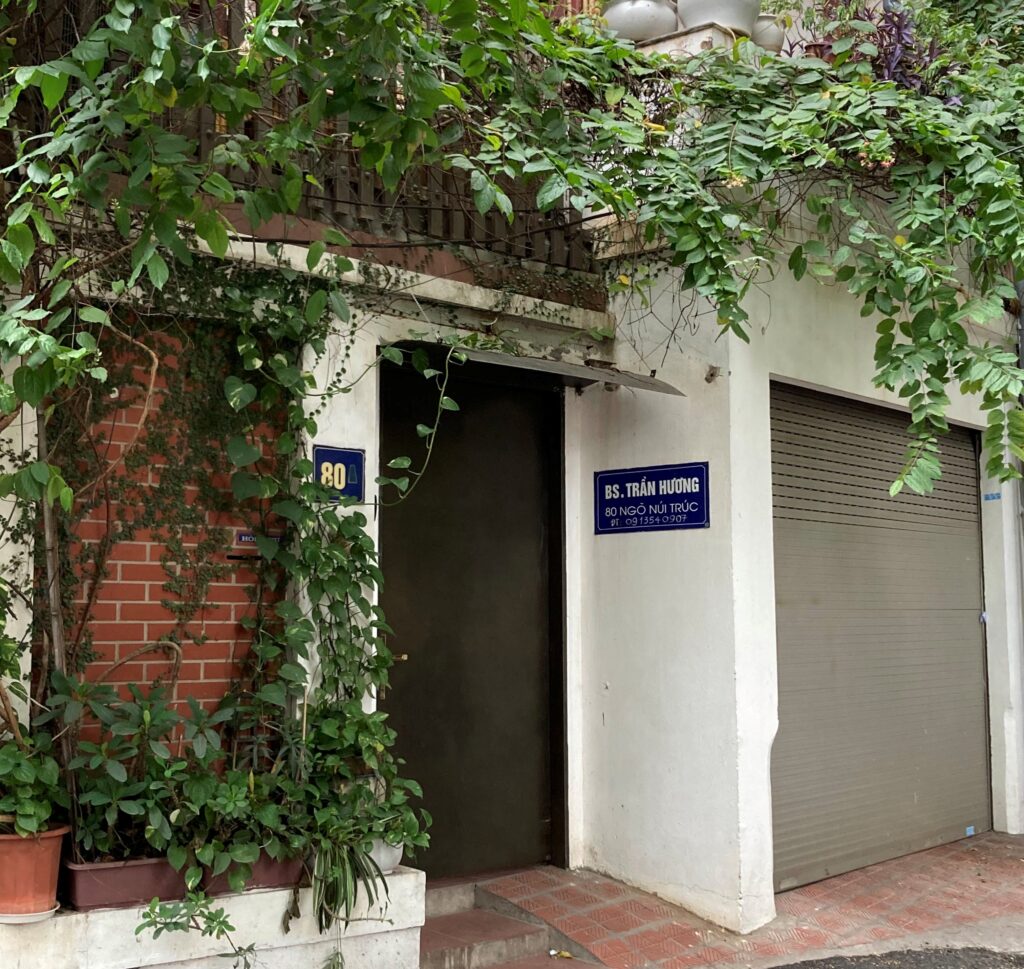
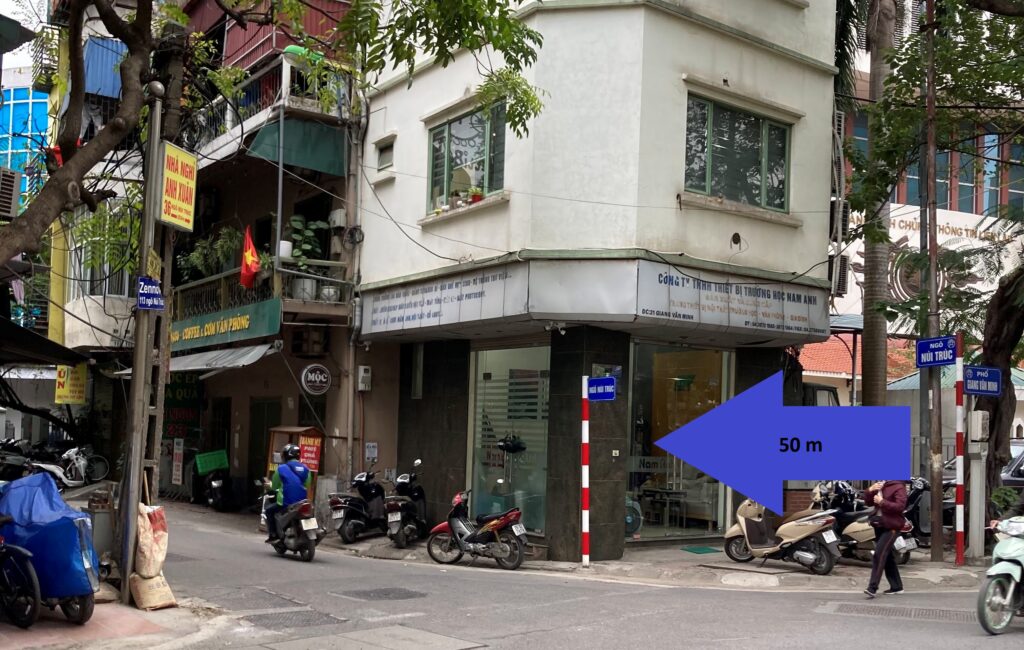
80 Ngõ Núi Trúc, Phường Giảng Võ, Hanoi, Vietnam
Opening Hours
Mon-Sat: 8:30am-11:30am
Contact -Mobile/ZALo/Whatsapp
+84 913 54 0907
drhuongtran57@gmail.com